
Individual Therapy
One-to-one psychological support for anxiety, trauma, PTSD and post-accident adjustment
Individual Therapy
Confidential, one-to-one sessions with a registered psychologist, for people whose lives have been affected by an accident, an injury, or anxiety they can no longer manage alone.
What to expect
Your first session
Therapy at Safe2Go begins with listening. Your first session is an assessment. We want to understand what happened, what has changed since, and what you want your life to look like afterwards.
We then agree an approach together. Some clients want to work directly on the accident and what followed. Others want to start with the practical things anxiety has taken from them, such as sleeping properly, getting to work, or sitting in the passenger seat without bracing. Both are good places to begin.
Sessions are usually 50 minutes. Frequency is agreed with you and reviewed as you go. Most people start weekly or fortnightly, and reduce as things improve.
What we work on
- Anxiety and panic. Understanding how panic works, learning to interrupt it, and gradually rebuilding your tolerance for situations that have become frightening.
- Trauma and PTSD. Processing what happened at a pace you can manage, reducing intrusive memories and hypervigilance, and reducing avoidance.
- Post-accident adjustment. Making sense of what has changed physically, practically and in how you see yourself, and rebuilding a life that accommodates it.
- Low mood and loss of confidence. Addressing the flat, discouraged period that often follows a long recovery, and helping you regain momentum.
- Return-to-work and return-to-driving anxiety. Preparing for the specific situations you are heading back into, in a graded and structured way.
Our approach
Trauma-informed and evidence-based
Paced to you
We do not push clients into distressing material before they are ready. You can review your progress at any time.
Practical and functional
We keep treatment tied to real outcomes such as sleeping, working, driving, parenting and participating, and not to symptom scores alone.
Joined up
If you also see our occupational therapists or driver trainers, the team shares one plan, so you do not repeat your story.
Working together
Therapy alongside driver rehabilitation
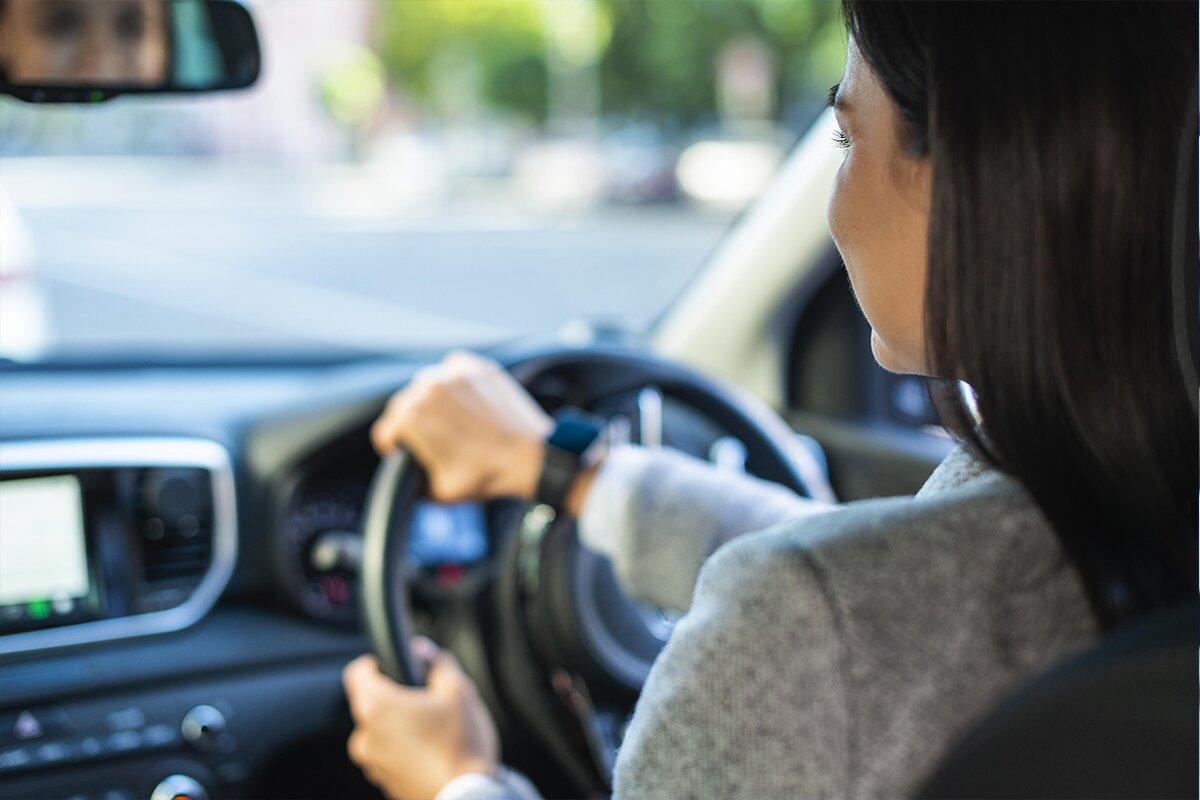
For many Safe2Go clients, driving is the clearest measure of their recovery. It is often the first thing lost after an accident and the last thing regained.
Where that applies, individual therapy can run alongside the rest of our program. The psychological work regulates anxiety, processes the accident and reduces avoidance. The occupational therapy and on-road rehabilitation then apply that work on the road, in graded steps.
The person helping you manage panic and the person sitting beside you in the car are part of the same team, working from the same plan.
Therapy can also be the only thing you do with us. Many of our clients never get in a vehicle with Safe2Go.
Access and funding
How to start
No referral is required for private clients. Call us and we will arrange an appointment.
If your treatment is being funded through a CTP claim, WorkCover, or a case manager, we can liaise directly with your insurer or coordinator and provide the reporting they require. Referrals from GPs and allied health professionals are welcome.
Appointments are available in person at our Sydney CBD rooms, or by Telehealth and Zoom anywhere in NSW.
Take the first step
Call 1800 867 277 or send an enquiry. We will talk through what you are dealing with and what support would look like, with no obligation.